

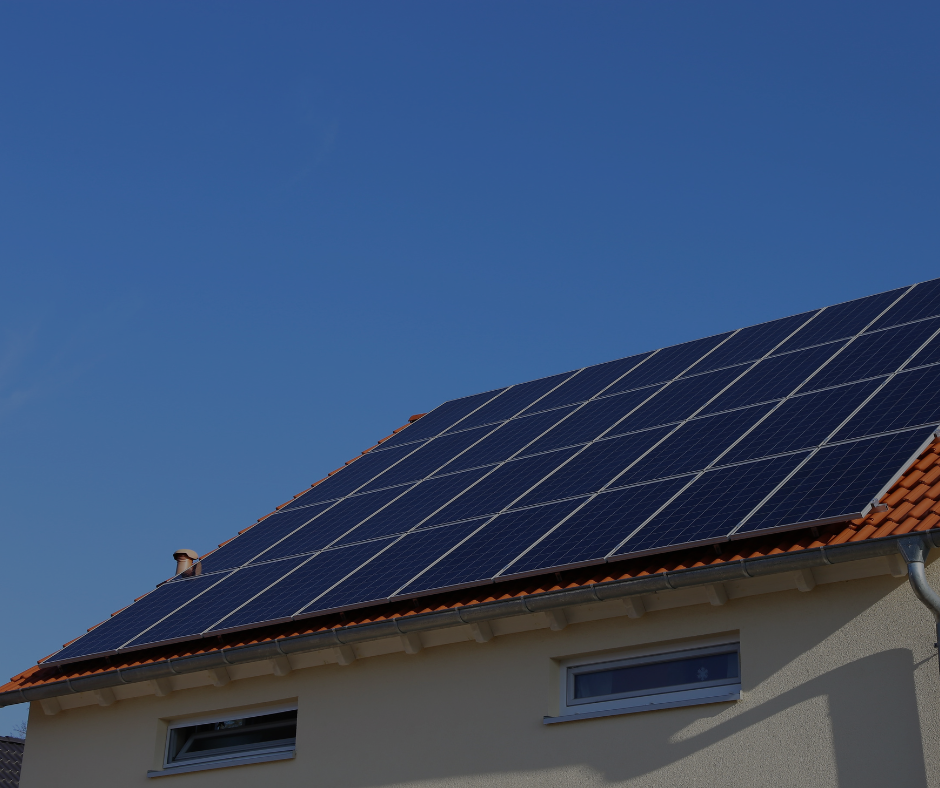
If you have solar panels, there will likely be times when your system generates more electricity than your home needs. Instead of letting that energy go to waste, you can export it back to the grid and receive payments through an export tariff scheme. But is selling the extra energy worth it?
The answer depends on your energy usage, the export rates available to you, and whether you have a solar battery. While exporting surplus electricity can provide an additional income stream, it’s important to understand how it compares to using the energy yourself.
How Does Selling Solar Energy Work?
When your solar panels produce more electricity than your home is consuming, the excess energy is sent back to the national grid. Many energy suppliers offer export tariffs that pay homeowners for every unit of electricity exported.
The amount you earn depends on your supplier’s rates and the amount of surplus energy your system generates throughout the year.
The Benefits of Selling Excess Solar Energy
Earn Money from Unused Electricity
One of the biggest advantages of exporting energy is that it allows you to earn a return on electricity you would otherwise not use. Every unit exported can contribute to reducing the overall cost of your solar investment.
Improve the Value of Your Solar System
Export payments can help increase the financial return from your solar panels. Over time, the additional income can contribute towards offsetting installation costs and improving overall savings.
No Additional Equipment Required
Unlike battery storage, exporting excess energy does not require additional equipment beyond your solar panel system and an eligible smart meter. This makes it a simple way to benefit from surplus generation.
When Selling Energy Makes Sense
Selling excess electricity can be particularly worthwhile if your household is often empty during the day or if your solar panels regularly generate more power than you can use. Homes with low daytime energy consumption typically export a larger percentage of their solar generation, creating more opportunities to earn export payments.
It can also be an attractive option for homeowners who want to maximise the value of their solar system without investing in battery storage.
When It May Be Less Beneficial
While export payments can be valuable, the rate you receive for exported electricity is often lower than the price you pay to buy electricity from the grid. This means that using your solar energy at home is usually more financially beneficial than exporting it.
If you consume a large amount of electricity in the evenings, a solar battery may allow you to store excess energy during the day and use it later, potentially providing greater savings than exporting it.
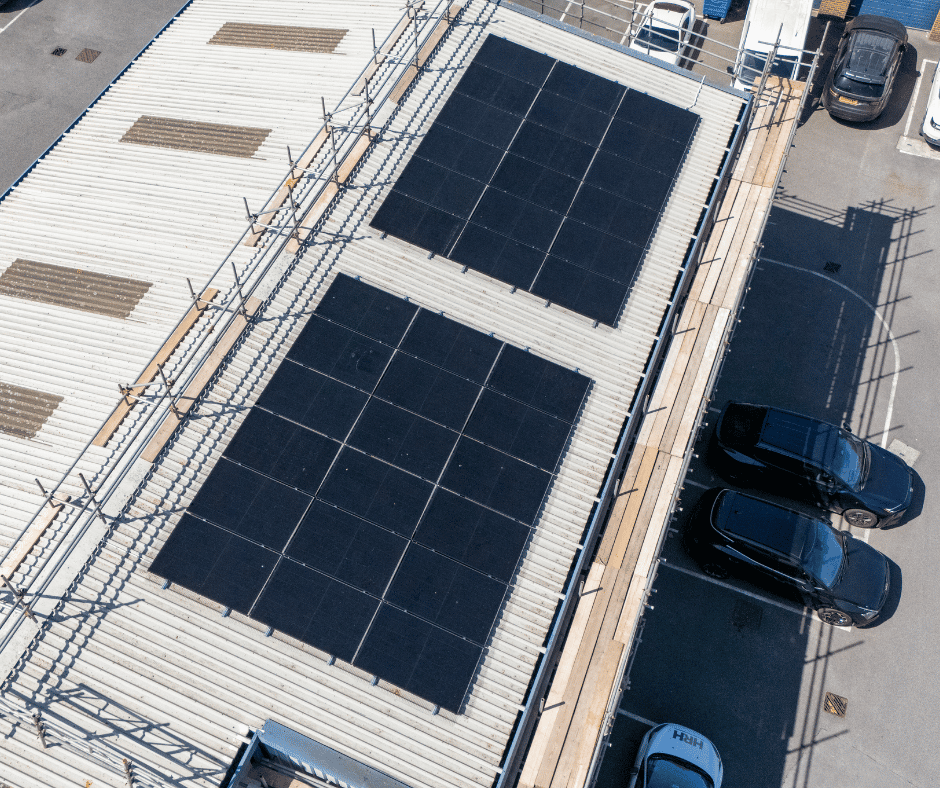
Solar Battery vs Exporting Energy
Many homeowners face a choice between exporting excess energy and storing it in a battery. The best option depends on your circumstances.
A battery allows you to increase self-consumption and reduce reliance on the grid, while exporting provides an immediate return without the added cost of battery storage. Some homeowners choose a combination of both, storing some energy and exporting the rest.
Is Selling the Extra Energy Worth It?
For many homeowners, selling excess solar energy is worth it because it provides an additional return on energy that would otherwise go unused. However, the greatest financial benefit often comes from using as much of your solar energy as possible within your home.
The right approach depends on your energy habits, export tariff rates, and long-term goals. By understanding how much energy you generate and consume, you can decide whether exporting, battery storage, or a combination of both offers the best value.


