

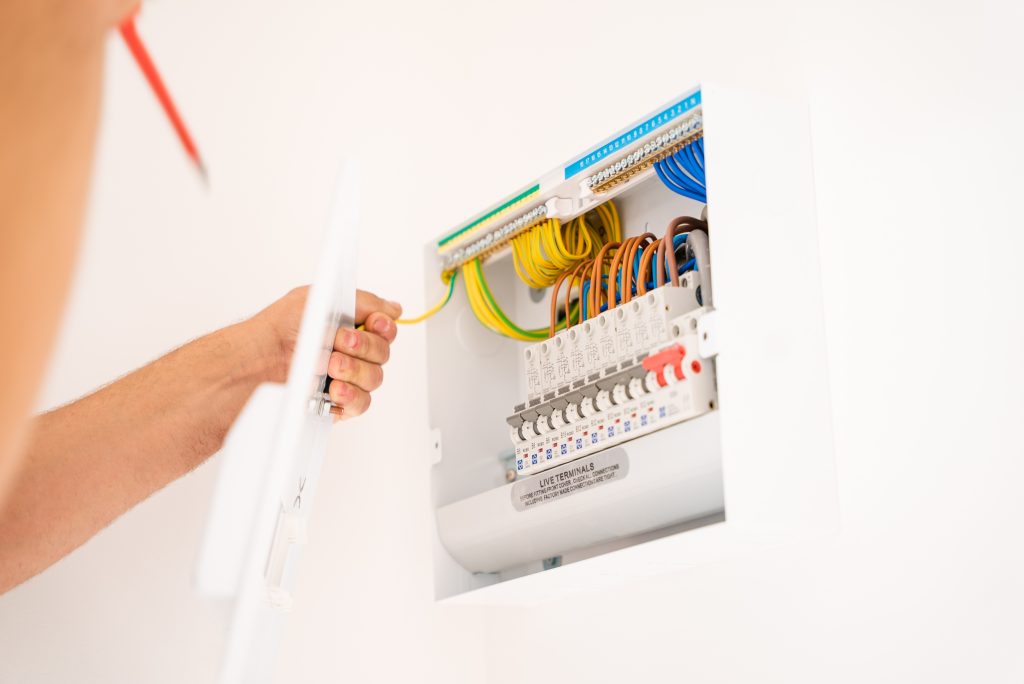
Electrical safety is something many property owners don’t think about until something goes wrong. Whether you’re a homeowner, landlord or business owner, ensuring your electrical systems are safe and compliant isn’t just good practice it’s essential. One of the most important ways to do this is through an Electrical Safety Certificate.
What Is an Electrical Safety Certificate?
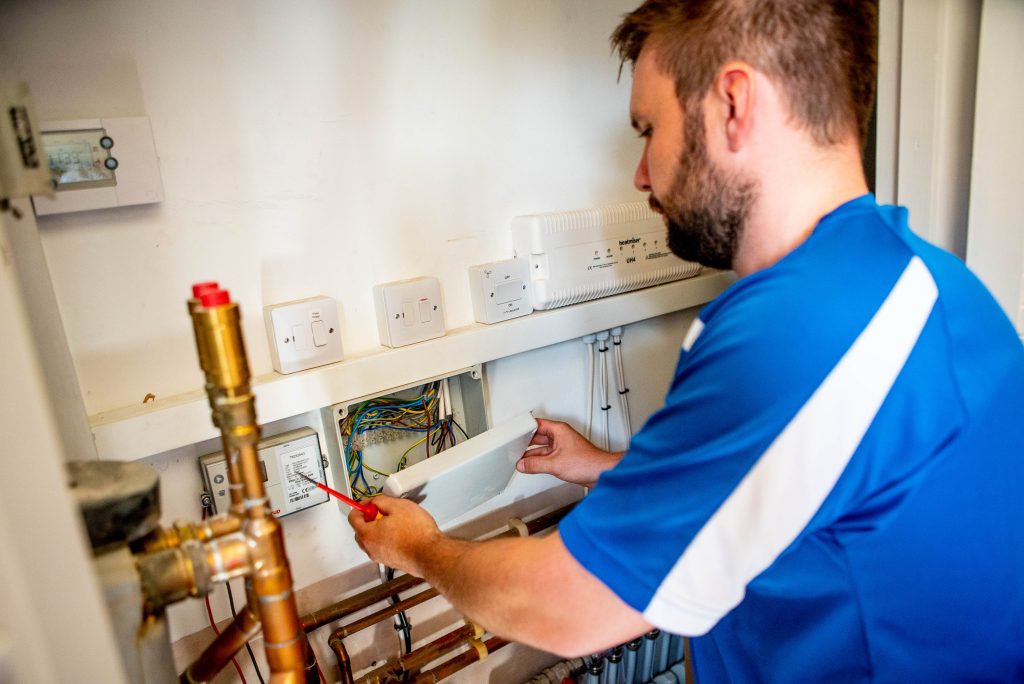
A qualified electrician inspects and tests your property’s electrical systems, then issues an Electrical Safety Certificate (usually following an Electrical Installation Condition Report, or EICR) to confirm everything is safe and up to standard. It highlights whether installations are safe for continued use and identifies any issues that need attention.
Protecting Lives and Property
Faulty electrical systems are one of the leading causes of house fires and serious injuries. Damaged wiring, overloaded circuits, or outdated installations can pose significant risks. An Electrical Safety Certificate ensures that any potential hazards are identified early, helping to protect occupants from electric shocks, fires, and other dangers.
Legal Compliance
For landlords, electrical safety certificates are not optional. Rental properties must undergo regular inspections to ensure tenant safety. Failing to comply can lead to fines, legal action and even invalidated insurance.
Businesses also have a duty of care to employees and customers. Ensuring your electrical systems are certified safe it helps you meet health and safety regulations and avoid costly penalties.
Preventing Costly Repairs
Small electrical issues can quickly escalate into major problems if left unchecked. Regular inspections help catch faults early, saving you money on expensive repairs or replacements down the line. In many cases, fixing a minor issue now can prevent a complete system failure later.
Insurance and Peace of Mind
Many insurance providers require proof that electrical systems are properly maintained. Without a valid certificate, claims related to electrical faults may be rejected. Having up-to-date certification gives you peace of mind knowing your property is both safe and covered.
Increasing Property Value
If you’re selling or renting out a property, an Electrical Safety Certificate can be a strong selling point. It reassures buyers and tenants that the property is safe, well-maintained, and compliant with regulations, making it more attractive in a competitive market.
How Often Should You Get One?
Homeowners should have their electrical systems checked every 10 years or when buying or selling a property, landlords typically need inspections every 5 years or at the start of a new tenancy, and businesses usually require testing every 3–5 years depending on the type of premises.
Final Thoughts
Electrical safety certificates aren’t just paperwork they’re a vital part of protecting people, property, and investments. Regular inspections ensure your systems remain safe, compliant, and efficient.
If you haven’t had your electrical systems checked recently, now is the time to act. A simple inspection today could prevent serious problems tomorrow.
Visit our Virtual Quote page to send us photos and details straight from your phone — no site visit needed.


