

Electrical systems are designed to last for many years, but they do not last forever. As technology advances and safety standards improve, older electrical installations can become outdated and potentially unsafe. Many homeowners are unaware that their electrics may no longer meet modern standards. Recognising the warning signs can help you address issues early and keep your home safe.
Your Consumer Unit Looks Old
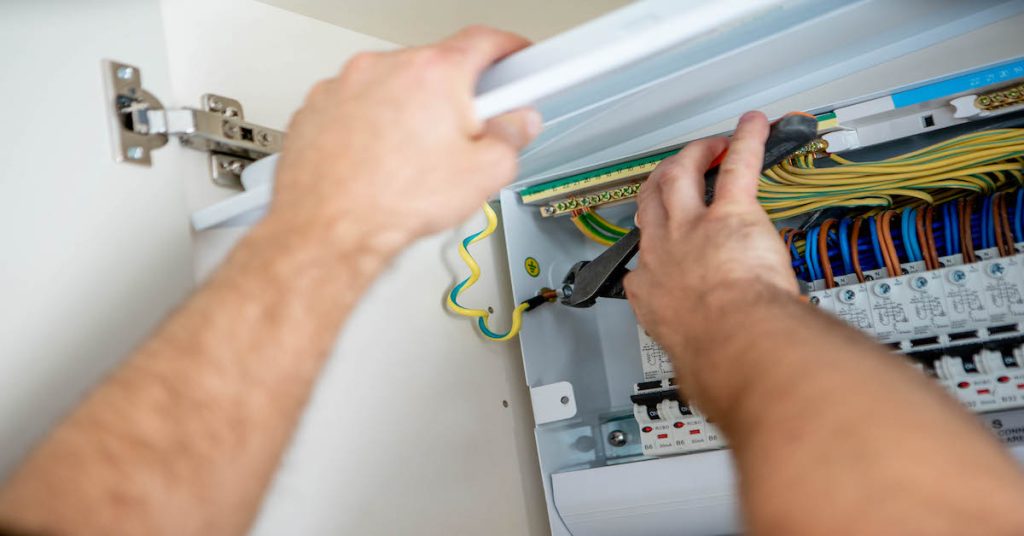
One of the clearest signs that your electrics maybe be outdated is an older consumer unit. Older consumer units often contain rewireable fuses rather than modern circuit breakers. Newer consumer units include safety features such as RCDs (Residual Current Devices), which quickly shut off power if a fault is detected. If your consumer unit hasn’t been upgraded in many years, it may be worth having it inspected by a qualified electrician.
Frequent Tripping or Blown Fuses
If your circuits trip regularly or fuses blow often, it could indicate that your electrical system is struggling to handle modern demand. Today’s homes use far more electrical appliances than homes built decades ago, and older systems may not be designed to cope with increased load.
Discoloured or Damaged Sockets
Burn marks, discolouration, or cracks around sockets and switches may indicate overheating or worn electrical components. These signs should never be ignored, as they can point to a more serious underlying issue.
Lack of Sockets
If your home relies heavily on extension leads and adapters, your electrical installation may be outdated. Older properties often have far fewer sockets than modern homes require, which can lead to overloaded outlets and increased safety risks.
Rubber or Fabric Insulated Wiring
Very old properties may still contain rubber, lead or fabric insulated wiring. These materials deteriorate over time and no longer meet current safety standards. If your home still has this type of wiring, it is strongly recommended to have it inspected and potentially replaced.
Flickering or Dimming Lights
Lights that flicker or dim unexpectedly may be a sign of loose wiring, overloaded circuits, or ageing electrical components. While this can sometimes be caused by a faulty bulb, persistent flickering should be checked by an electrician.
Your Property Hasn’t Had an Electrical Inspection
Electrical installations should be inspected periodically to ensure they remain safe and compliant. An Electrical Installation Condition Report allows a qualified electrician to assess the condition of your electrics and identify any issues that need attention.
Keeping Your Home Safe
if you notice any of these signs, it’s a good idea to have your electrics checked by a qualified electrician. Updating outdated electrical systems not only improves safety but also ensures your home can handle the demands of modern living.
At HRHislop, we work with both domestic and commercial clients to deliver safe, compliant, and high quality electrical solutions. If you’re unsure about the condition of your electrics, our team can carry out inspections and provide expert advice on any upgrades that may be needed.
Visit our Virtual Quote page to send us photos and details straight from your phone — no site visit needed.


