

When summer arrives, homes tend to work harder than usual. Fans run longer, outdoor lighting gets more use, garden equipment is plugged in and air conditioning systems may be pushed to their limits. All of this puts extra demand on your electrical system.
A simple summer electrical maintenance routine helps prevent faults, improves energy efficiency and reduces the risk of electrical hazards. Here’s a practical checklist to help keep your home safe and running smoothly through the warmer months.
1. Inspect Outdoor Electrical Fixtures
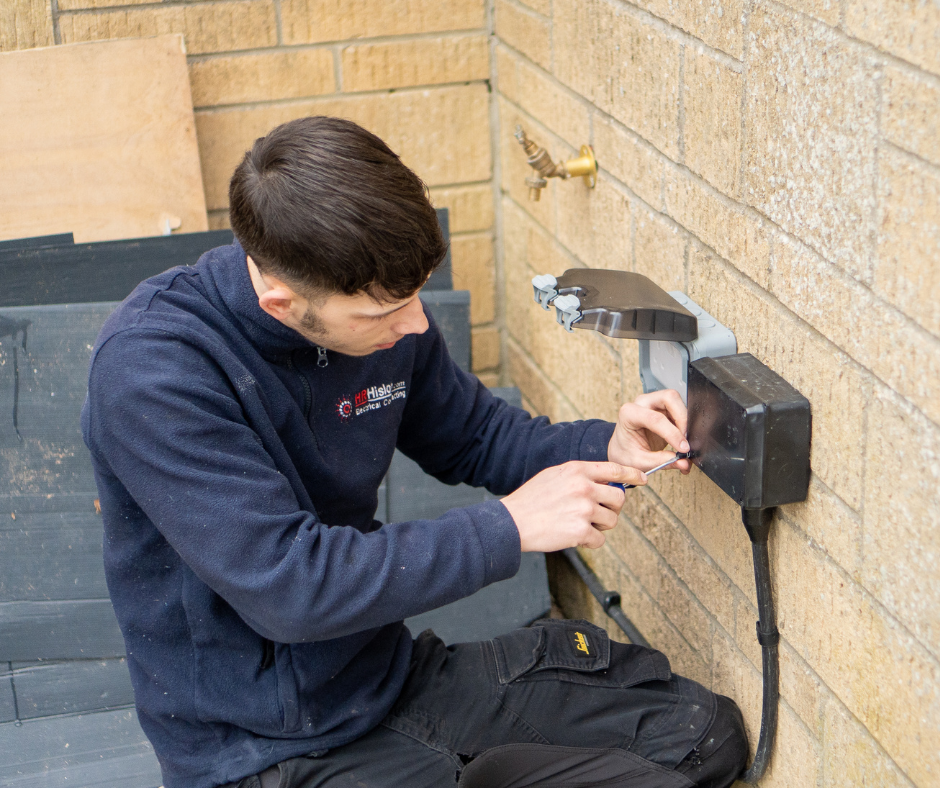
Winter weather can be harsh on outdoor electrics, so summer is the perfect time to check everything outside your home.
Look for cracked or exposed wiring, loose outdoor sockets or fittings, water damage around outdoor light or power outlets and faulty garden lighting.
Make sure all outdoor sockets are weatherproof and properly sealed. If anything looks damaged or unsafe, avoid using it until it has been repaired by a qualified electrician.

2. Test Outdoor Lighting and Security Systems
Longer daylight hours don’t eliminate the need for outdoor lighting and security systems, but they do provide a good opportunity to test them.
Check that motion sensor lights are working correctly, timers and dusk-to-dawn sensors are accurate, security cameras and alarms are fully operational and solar lights are charging efficiently.
Replace any dim or flickering bulbs and clean sensors to ensure reliable performance.
3. Service Fans and Cooling Systems
Summer comfort depends heavily on fans and cooling equipment. Dust and wear can reduce efficiency over time.
Before peak heat arrives clean ceiling fan blades thoroughly, check for wobbling or unusual noise, vacuum air vents and portable fans and replace filters in air conditioning units if applicable.
If your air conditioning system hasn’t been serviced in a while, consider a professional inspection to improve efficiency and reduce energy costs.
4. Check Plug Sockets and Extension Leads
Hot weather often leads to increased use of portable fans, chargers and outdoor appliances. This can overload sockets if not managed properly.
Be sure to avoid overloading extension leads, check for scorch marks or discolouration on sockets, ensure plugs fit securely without sparking or overheating and replace any damaged extension cords immediately.
If you frequently rely on extension leads, it may be worth considering additional permanent outlets installed by qualified electrician.
5. Inspect Your Consumer Unit
Your consumer unit is the heart of your home’s electrical system. While you don’t need to perform any technical work yourself, a visual check is important.
Look for tripped switches or unusual behaviour, burning smells or heat around the unit and labels that are missing or unclear.
If anything seems unusual, it’s best to call a professional electrician to investigate.
6. Maintain Garden Power Equipment
Lawnmowers, hedge trimmers, and other outdoor electrical tools are used frequently in summer and can wear down quickly.
Before each use inspect cables for cuts or fraying, check plugs for damage, ensure equipment is dry before plugging in and store tools in a dry, sheltered space.
Never use damaged garden equipment, as it poses a serious safety risk.
7. Test Smoke and Carbon Monoxide Alarms
With barbecues, increased cooking, and more time spent indoors with windows open or closed, safety alarms are essential.
Make sure to, test smoke alarms weekly, replace batteries if needed, clean dust from alarm covers and ensure carbon monoxide detectors are functioning properly
If any alarm is over 10 years old, it should be replaced.
8. Watch for Signs of Electrical Overload
Summer often means higher energy consumption. Be mindful of warning signs such as frequently tripping circuit breakers, flickering lights when appliances are used and warm or buzzing outlets.
These symptoms can indicate an overloaded circuit or underlying wiring issues that require professional attention.
Final Thoughts
A little preventative maintenance goes a long way in keeping your home safe and efficient during the summer months. By taking time to inspect outdoor electrics, test systems, and address small issues early, you can avoid costly repairs and reduce safety risks.
If you notice anything beyond basic maintenance concerns, always consult a qualified electrician. Electrical systems are not worth guessing with, especially when safety is on the line.
A well-maintained home is a safer, more efficient, and more comfortable place to enjoy the summer season.


