


When people think about electrical work, they often assume it’s all much the same. In reality, there are important differences between domestic and commercial electrical work and understanding these differences can help you choose the right contractor for your property.
Whether you’re a homeowner or responsible for a business premises, here’s what you need to know.
What Is Domestic Electrical Work?
Domestic electrical work covers private residential properties, including, houses, flats, apartments and rental properties.
Typical domestic electrical services include lighting installations and upgrades, socket and switch replacements and consumer unit upgrades.
Domestic systems are generally smaller in scale, but safety is just as critical. Homes still require compliant installations, proper testing, and professional workmanship to protect occupants and property.
What Is Commercial Electrical Work?
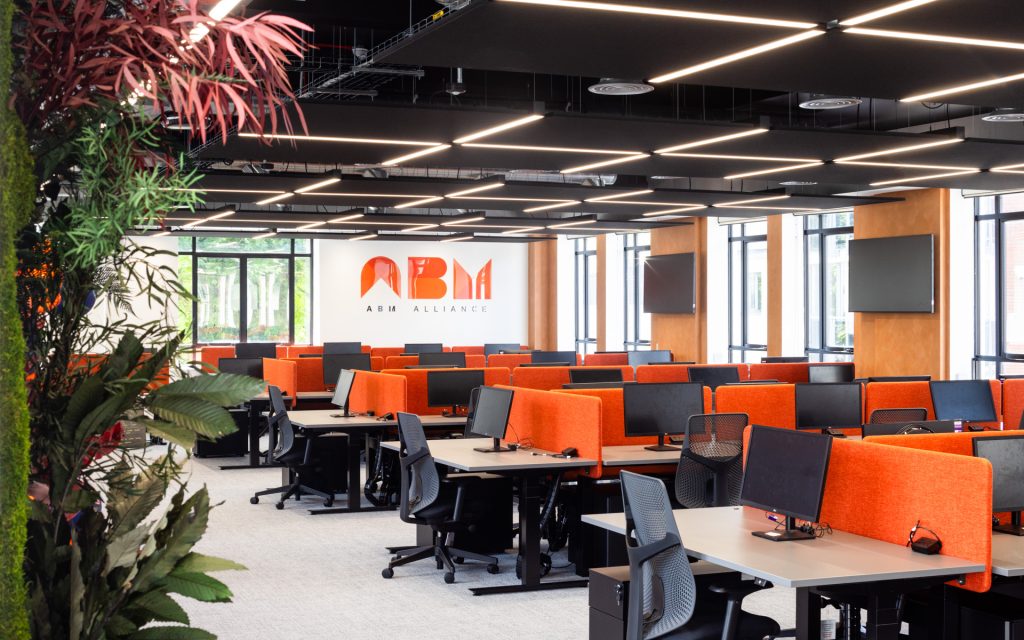
Commercial electrical work applies to business and public-facing properties, such as offices, retail units and warehouses.
Commercial projects often involve higher electrical loads, more complex distribution systems and emergency lighting and fire safety systems.
Due to it’s complexity, commercial electrical work requires careful planning, coordination, and experience.
Key Differences Between Domestic and Commercial Electrical Work
1. Scale and Complexity
Commercial systems are usually larger and more complex than domestic ones, often supporting heavy equipment, multiple workspaces, or extended operating hours.

2. Compliance and Legal Responsibilities
While all electrical work must meet safety standards, commercial properties typically face stricter compliance requirements. Business owners, landlords, and property managers have a legal duty to ensure electrical systems are safe and properly maintained.
3. Usage Demands
Commercial properties often experience continuous or high-demand usage, which means systems must be designed for durability, efficiency, and future growth.
4. Planning and Disruption
Commercial electrical work often needs to be completed with minimal disruption to operations. This requires flexible scheduling, clear communication, and an experienced contractor who understands working in live environments.
Why the Right Contractor Matters
Not every electrician is suited to every type of job. A contractor experienced in both domestic and commercial work understands how to adapt solutions to different environments the importance of safety and compliance, how to deliver quality work efficiently and professionally.
Choosing the right contractor helps avoid delays, safety issues, and unexpected costs.
Supporting Homes and Businesses with HRHislop
At HR Hislop, we provide professional electrical services for both domestic and commercial clients. From home improvements to complex commercial installations, we bring the same commitment to safety, reliability, and high-quality workmanship to every project.
Visit our Virtual Quote page to send us photos and details straight from your phone — no site visit needed.


