

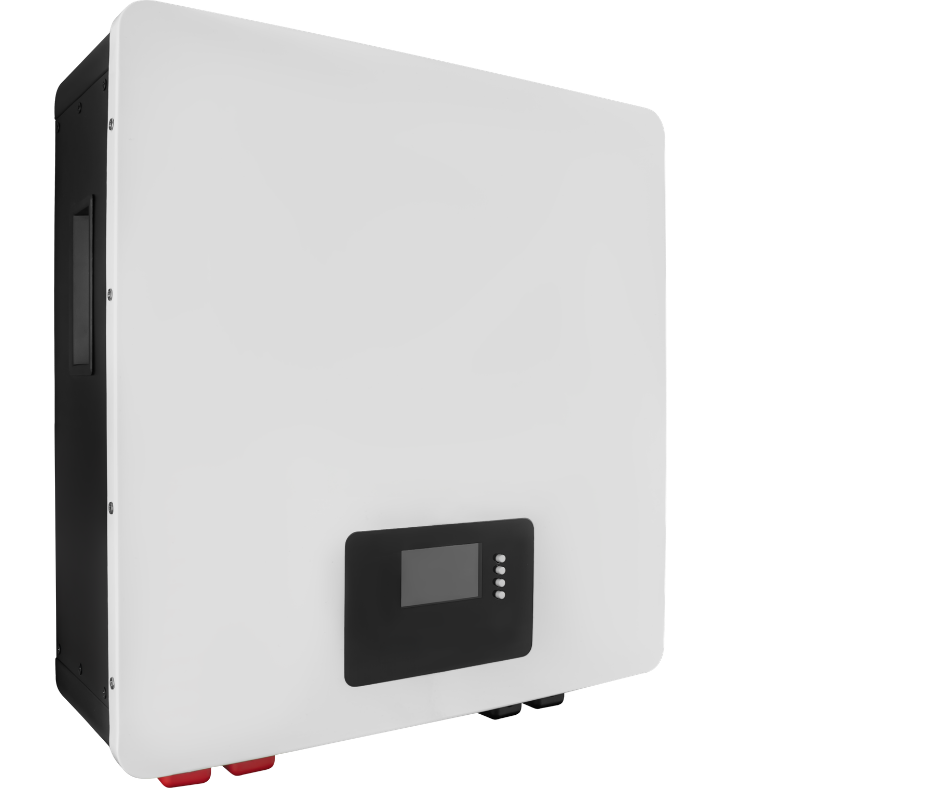
As energy prices continue to rise and more homeowners invest in renewable energy, solar batteries have become an increasingly popular addition to solar panel systems. But are they actually worth the investment?
What Is a Solar Battery?
A solar battery stores excess electricity generated by your solar panels during the day. Instead of sending unused energy back to the grid, the battery saves it for use later, such as during the evening, at night, or during power outages.
Without a battery, most homes rely on the grid when solar panels are not producing enough electricity. With a battery, you can use more of your own renewable energy and reduce your dependence on energy suppliers.
The Benefits of Installing a Solar Battery
1. Lower Energy Bills
One of the biggest advantages of a solar battery is increased self-consumption. Rather than buying electricity from the grid during peak hours, you can use the energy stored in your battery.
This can significantly reduce your monthly electricity costs, especially if your energy provider charges higher rates during peak periods.
2. Greater Energy Independence
A battery allows you to rely less on the national grid. By storing excess solar energy, you can power your home even when the sun isn’t shining.
For homeowners looking to gain more control over their energy usage and protect themselves from rising utility prices, this can be a major benefit.
3. Backup Power During Outages
Many modern battery systems offer backup power functionality. In the event of a power cut, your battery can keep essential appliances running, such as lighting, refrigeration, internet routers, and medical equipment.
This added resilience can provide valuable peace of mind.
4. Reduced Carbon Footprint
By storing and using more of your own renewable energy, you reduce the amount of electricity you need to draw from the grid. This helps lower your household’s carbon emissions and supports a more sustainable future.
The Drawbacks of Solar Batteries
Upfront Cost
The main disadvantage is the initial investment. Solar batteries can cost several thousand pounds, depending on capacity, brand, and installation requirements.
While prices have fallen in recent years, batteries still represent a significant addition to the cost of a solar energy system.
Long Payback Period
Depending on your electricity usage and local energy tariffs, it may take several years to recover the cost of a battery through energy savings.
Homeowners should carefully calculate expected savings before making a purchase.
Battery Degradation
Like all rechargeable batteries, solar batteries gradually lose storage capacity over time. Most quality systems come with warranties of 10 years or more, but performance will slowly decline throughout their lifespan.
When Might a Solar Battery Not Be Worth It?
A solar battery may be less beneficial if your energy consumption is relatively low or if you use most of your electricity during the daytime when your solar panels are already generating power. It may also be less suitable if your main goal is to achieve the quickest possible return on investment or if you receive favourable export tariffs for sending excess solar energy back to the grid. In these situations, installing solar panels without a battery may provide better financial returns.
How Much Can You Save?
The amount you can save with a solar battery depends on several factors, including the size of your solar panel system, the battery’s storage capacity, your household’s energy usage, electricity tariffs, export payment schemes, and local weather conditions. For many homeowners, a battery can significantly increase solar self-consumption, allowing more of the electricity generated to be used within the home rather than being exported to the grid. This helps maximise the value of your solar energy and can lead to greater long-term savings on electricity bills.
Final Verdict: Is a Solar Battery Worth It?
For many homeowners, a solar battery is a worthwhile investment, especially if you already have solar panels and want to maximise energy savings and reduce reliance on the grid. Although the upfront cost can be significant, the long-term benefits of lower electricity bills and greater energy independence can make it a valuable addition. The right choice ultimately depends on your energy usage and financial goals.


